
Blog
LABSA vs SLES 70: choosing the right primary surfactant

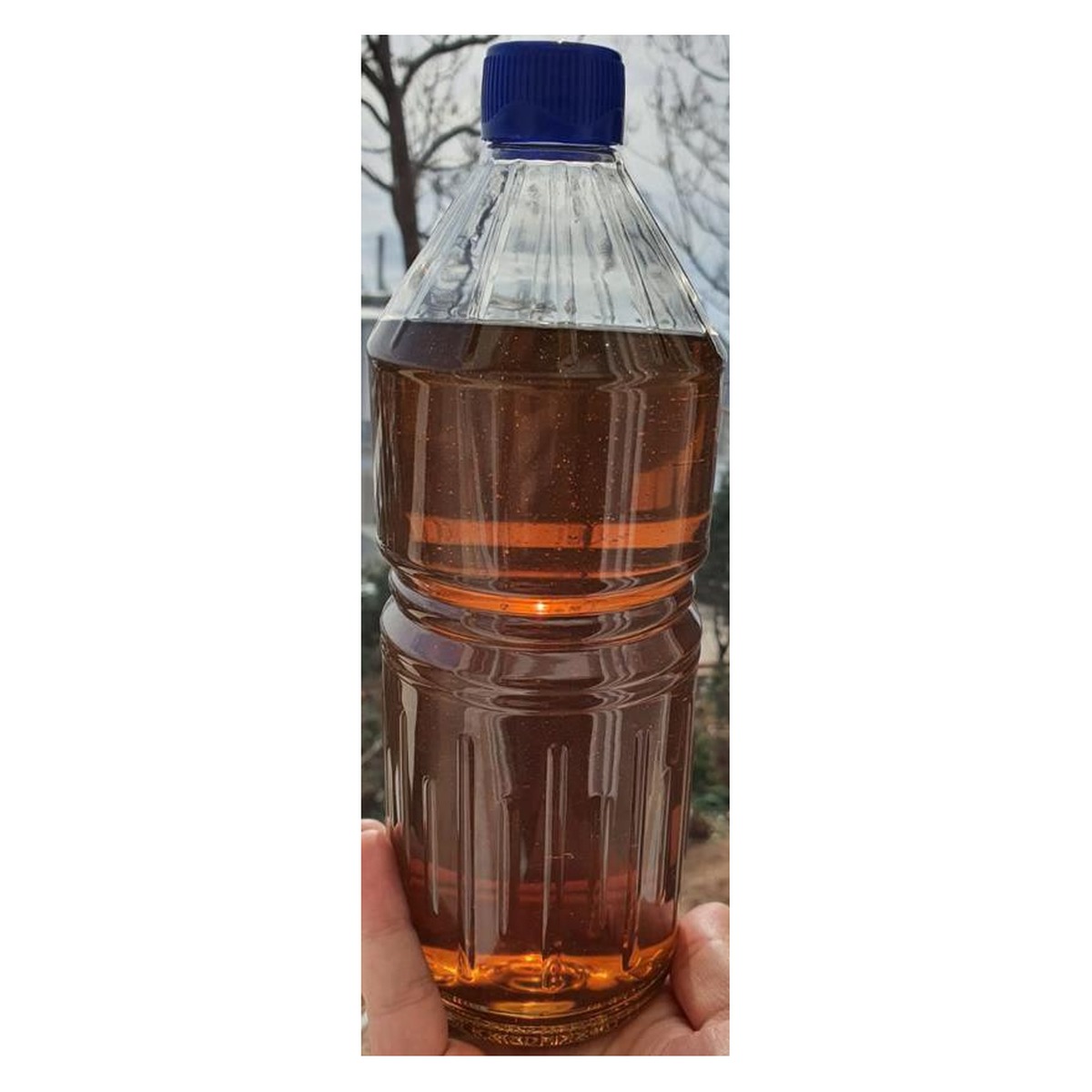
Every liquid or powder detergent starts with a primary surfactant — the ingredient that does most of the cleaning. For the vast majority of formulations produced in the Middle East, Africa and Central Asia, that choice comes down to two materials: LABSA and SLES 70. They are not interchangeable, and picking the wrong one costs you either performance or margin.
What each material actually does
LABSA (linear alkylbenzene sulphonic acid, CAS 27176-87-0) arrives as a brown viscous acid at around 96% active content. It is not used as-is: you neutralise it on site with caustic soda or another alkali to form sodium linear alkylbenzene sulphonate. That neutralisation step is what makes LABSA cheap per unit of active matter — you are shipping 96% active material rather than a diluted salt.
SLES 70 (sodium lauryl ether sulphate, CAS 68585-34-2) arrives already neutralised at 70% active, as a white to light-yellow paste. No neutralisation line is required. It foams more readily, is markedly milder on skin, and thickens easily with salt — which is why it dominates dishwashing liquid, shampoo and hand soap.
Choosing between them
| Consideration | LABSA | SLES 70 |
|---|---|---|
| Cost per kg of active | Lower | Higher |
| Needs neutralisation | Yes — caustic dosing and cooling | No |
| Skin mildness | Harsher | Milder |
| Foam profile | Dense, moderate | High, fast-building |
| Salt thickening | Limited | Responds strongly |
| Typical use | Laundry powder, hard-surface cleaner, industrial | Dishwashing liquid, hand soap, shampoo |
In practice most manufacturers use both. A dishwashing liquid built on SLES alone is expensive; built on LABSA alone it is harsh and under-foams. A blend of the two — often with a secondary amphoteric surfactant — gives the cost of LABSA with much of the skin feel and foam of SLES.
The neutralisation question decides more than you think
If you do not already run a neutralisation loop, LABSA is not the saving it appears to be. You need dosing control, cooling (the reaction is strongly exothermic), corrosion-resistant equipment and operators who can hold pH within range. A plant without that infrastructure will get inconsistent active content batch to batch, and the finished product will vary in viscosity and foam.
If you do run one, LABSA usually wins on landed cost — especially at container volumes, where the difference in active content compounds across every tonne shipped.
What to check on arrival
- LABSA: active content (should be ≈96%), free oil, sulphuric acid content and colour. Dark colour usually signals over-sulphonation or heat damage in transit.
- SLES 70: active matter (70% ±2%), unsulphated matter (≤3.5%), sodium sulphate (≤1.5%), pH of a 1% solution (6.5–9.5) and APHA colour (≤70).
- Both: request the certificate of analysis for the specific batch, not a generic type sheet.
Shipping and storage
LABSA moves in HDPE drums, IBC totes or flexitank for full loads. SLES 70 is normally supplied in 170 kg or 220 kg drums, or 1,100 kg IBCs; a 20′ container takes roughly 19.4 MT in 170 kg drums. SLES pastes thicken in cold weather and may need warming before transfer — plan for that if your destination port sees winter temperatures.
Store both away from direct sun. LABSA is corrosive and needs acid-resistant containment; SLES will slowly discolour if held too warm for too long.
Getting a quote
When you ask for pricing, state the active content you need, the packaging that suits your unloading equipment, your destination port and your annual volume. Those four details are what let a supplier quote accurately rather than sending a placeholder price.
Nova Plus supplies both materials from established Turkish producers with batch documentation and safety data sheets included. Browse the full chemicals and ingredients range, or send us your material list and destination port for a quote.