
Blog
Laundry pods and scent boosters: what to check before you order

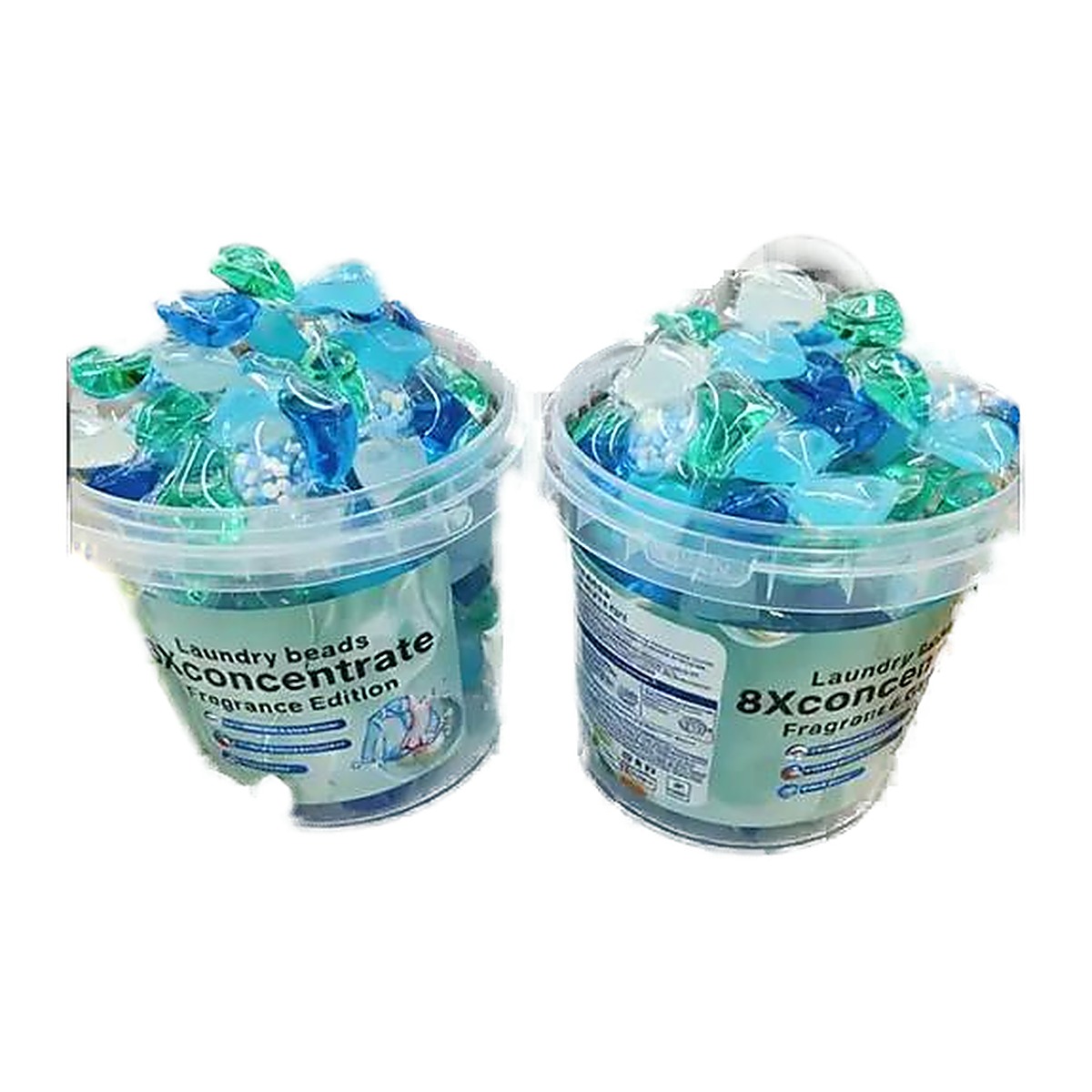
Concentrated laundry pods and scent booster beads are the two fastest-growing categories in household laundry, and both are attractive to importers for the same reason: high value per kilogram, low freight cost per retail unit. They are also the two categories where a poorly specified order goes wrong most visibly — a leaking pod or a bead that loses its fragrance in six weeks is a product the market will not repeat.
Laundry pods: what actually determines quality
Laundry pods are a concentrated liquid detergent dosed into a water-soluble film. Three things decide whether they perform.
1. Film integrity
The PVA film must dissolve completely in cold water and hold reliably until it is used. A film that leaks in a humid warehouse ruins the whole pack; one that fails to dissolve leaves residue on fabric and generates complaints. Ask how the film behaves at 20 °C and at 15 °C — many markets wash cold, and a film specified for warm water underperforms there.
2. Chamber configuration
Single-chamber pods are cheaper. Multi-chamber pods separate incompatible actives — enzymes from bleach, for example — and let the brand make a visible claim. Decide which you are selling before you price, because the two are not comparable.
3. Dose weight
Dose weight drives cost per wash, which is the number your buyer actually compares. A pod that is 20% heavier is not automatically better value; check the recommended load size it is formulated for.
What to test before committing
- Cold-water dissolution. Run the test in water at the temperature your market washes at, not at 40 °C.
- Humidity resistance. Hold sample packs at the humidity of your destination warehouse for several weeks. This is the most commonly skipped test and the most common failure.
- Compression. Stack as they will be stacked on a pallet, and check the bottom layer.
- Fragrance retention. Compare a fresh pack against one stored for the length of your expected supply chain.
Scent boosters: the claim is the product
Scent booster beads are added to the drum alongside detergent, dissolve during the wash, and deposit fragrance that survives drying. The entire proposition is how long the scent lasts on the fabric — commonly claimed at around six weeks.
That claim is testable and you should test it, on your own market’s fabric and drying conditions. Line drying in direct sun behaves very differently from tumble drying, and a bead validated in one will not necessarily deliver in the other.
Beyond longevity, check:
- Solubility. Undissolved beads left in the drum generate immediate complaints. Test in a short cold cycle, which is the worst case.
- Colour transfer. Coloured beads and light fabrics need checking together.
- Fragrance range. Scent preference is strongly regional. Sample the range against what already sells in your market rather than what sells elsewhere — see our fragrance range for cleaning products.
- Packaging. Beads are hygroscopic. The pack has to reseal, and it has to survive the humidity at destination.
Private label: ask early
Both categories are frequently ordered under the importer’s own brand. If that is your plan, raise it at the enquiry stage rather than after pricing, because it changes the timeline — artwork approval, film or pack printing, and label compliance for your destination market all add weeks. Confirm which language and regulatory marks your market requires before artwork is finalised.
What to include in your enquiry
- Category and format: pod chambers, or bead pack size.
- Dose weight or pack weight.
- Fragrance direction, with a reference product if you have one.
- Own brand or supplier brand.
- Destination port and typical climate on arrival.
- Annual volume and first order quantity.
Request samples and run them through your own testing before the bulk order. It is the cheapest step in the process and it is the one that prevents the expensive ones.
Browse the detergent range or send us your specification and destination port for a quote.