
Blog
Spout closures, caps and handles: a buyer’s guide

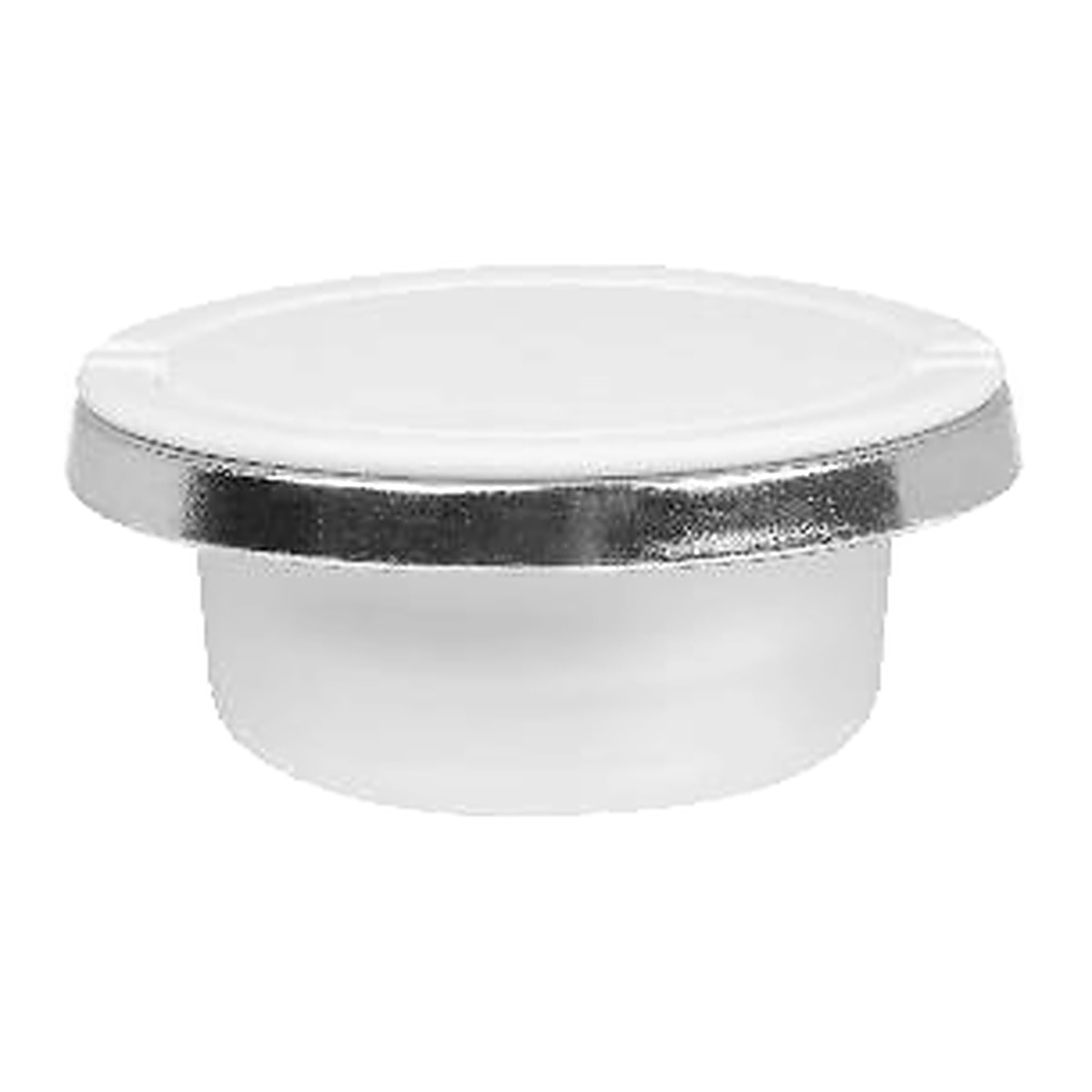
Closures are the cheapest part of a filled container and the most common cause of a rejected shipment. A spout that does not match the neck, a cap that fails a drop test, a handle that pulls out of the tin — each of these turns a full pallet into a claim. This guide covers what to specify when you order closures, handles and caps for detergent and chemical packaging.
Start with the neck, not the closure
Every closure decision follows from the container it fits. Measure the neck finish before you order anything: the outside diameter, the thread or crimp type, and the wall thickness. A “42 mm” spout from one moulder will not necessarily seat on a “42 mm” neck from another — the tolerance and thread profile matter as much as the nominal size.
If you are matching an existing container, the safest route is to send a physical sample of the neck along with your enquiry. If you are specifying a new line, fix the neck finish first and let the closures follow.
Spout closures
Spouts are used on tins and jerricans holding liquid detergent, oils and chemicals, where the user needs a controlled pour rather than a wide opening.
- 32 mm — smaller tins and controlled dosing.
- 42 mm, fob type — the common size for mid-range tins.
- 60 mm, 60C crimp-on — crimped rather than threaded, for faster line speeds and a tamper-evident seal.
The 60C is worth understanding in detail because it is specified so often. It is moulded in HDPE, supplied natural as standard, and built with tamper evidence, breakaway webs and a ring-pull membrane. It is rated for a maximum fill temperature of about 63 °C, so hot-fill products need a different solution. Pallet packs run 9,000–11,000 pieces and the minimum order is 500 pieces in increments of 500.
Tin caps
A 42 mm tin cap pairs with a matching spout to close the container after filling. Two questions decide the specification: does the product need a liner or gasket for chemical resistance, and does the market require visible tamper evidence? Answer those before you compare prices, because both change the part.
Handles
Handles look like a commodity and are not. A handle is sized to a specific tin volume because the load, the leverage and the ear spacing all change with the container.
Test a filled unit, not an empty one. A handle that holds 18 litres of water at room temperature may behave differently with a denser product, at a warmer temperature, after a week of vibration on a truck.
Drum ring closures
Lever-locking rings secure the lid of an open-top drum. Specify the drum diameter and gauge, and confirm whether the lever type is acceptable to your carrier — some routes and some products require bolted rings instead.
Dispensing pumps
For retail-facing liquid detergent, hand soap or shampoo, the 38/400 dispensing pump is the standard fit. The neck size 38/400 must match your bottle; the spring is 304 stainless for rust resistance, colour is made to order, and cartons hold 250 pieces. Where the product is corrosive or contains high solvent levels, confirm chemical compatibility with the pump materials before committing to a volume.
A checklist before you order
- Neck finish confirmed against a physical sample.
- Tamper evidence required — yes or no.
- Maximum fill temperature of your product.
- Chemical compatibility with the closure material.
- Colour: standard natural, or matched to your brand.
- Pack quantity and pallet configuration that suit your line.
- Samples approved before the bulk order ships.
Always run samples first. A closure that fits the drawing but not the tin is a problem you want to find on a bench, not on a pallet.
See the full packaging and closures range, or send us the neck dimensions and volumes you need.